
Sicbo Go 88 is a three-dice game in which each round produces a combination of numbers that can be interpreted through several layers. The individual faces of the dice provide the basic information, while their combined total and matching patterns create the final result. A single roll can therefore contain more information than simply identifying whether the total is high or low. Understanding how these elements connect makes it easier to follow the complete round and read the result displayed on the table.
Three dice provide several layers of information
The basic structure of Sicbo Go88 consists of three six-sided dice. Each die produces a value from 1 to 6, and the three values are revealed together when the round reaches its result stage. These numbers form the foundation for everything displayed afterward.
The first layer is the individual value of each die. A result such as 2, 4 and 6 contains three separate pieces of information before they are combined. The second layer is the total, which in this example is 12. The third layer comes from the relationship between the dice, such as whether any two values match or whether all three are identical.
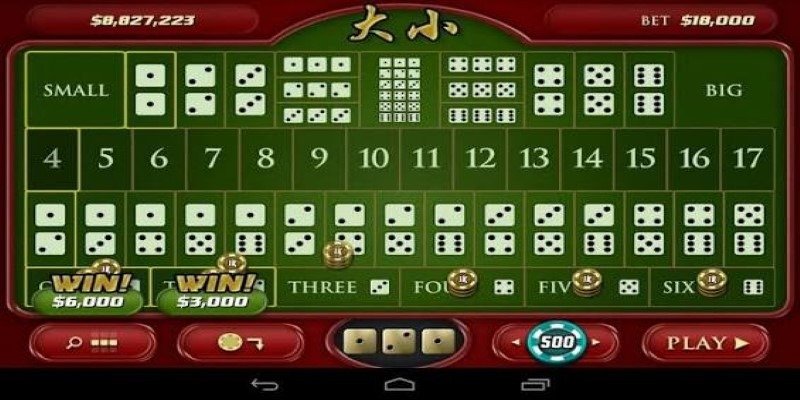
This means that two results can share the same total while having completely different arrangements. For example, 1, 5 and 6 produces a total of 12, while 2, 4 and 6 also produces 12. The total is identical, but the individual dice show different combinations.
The same principle becomes even more important when matching numbers appear. A roll containing 3, 3 and 5 has a total of 11, but it also contains a pair. A roll of 2, 2 and 2 has a total of 6 while simultaneously forming a triple. Reading all three dice before interpreting the final category therefore provides a more complete picture of the round.
See more: Go88 brings an exciting online entertainment experience
The total connects the dice to the main result categories
Once the three dice are revealed, their values can be added together to produce a total between 3 and 18. This total provides one of the most recognizable ways to classify a Sicbo result. In the common structure, totals from 4 to 10 are grouped as Small, while totals from 11 to 17 are grouped as Big, with triples treated separately under these categories.
This creates an important distinction between the total and the final category. A total of 9 falls within the Small range, while a total of 14 falls within the Big range. However, a total by itself does not describe whether the three dice contain matching values.
Extreme totals are also connected to the structure of the dice. The minimum total of 3 can only occur when all three dice show 1, while the maximum total of 18 can only occur when all three show 6. These are therefore triple combinations as well as extreme totals.
The result display can present both the individual dice and the calculated total so that the relationship is immediately visible. When the table also highlights a category such as Big or Small, that label acts as a summary of the numerical information rather than replacing it.
Matching dice create another layer of classification
Matching values give Sicbo Go88 another way to read the same three dice. When two dice display the same number and the third shows a different value, the roll contains a double. For example, 4, 4 and 2 contains a pair of fours, while 1, 5 and 5 contains a pair of fives.
A triple occurs when all three dice show the same number. Results such as 3, 3 and 3 or 6, 6 and 6 therefore have a stronger matching relationship than an ordinary pair. The triple can be treated as a distinct result type depending on the particular rules and table configuration.
The important point is that the matching pattern exists alongside the total. A double of 4, 4 and 2 produces a total of 10, so the same roll can simultaneously be described through its total and its matching structure.
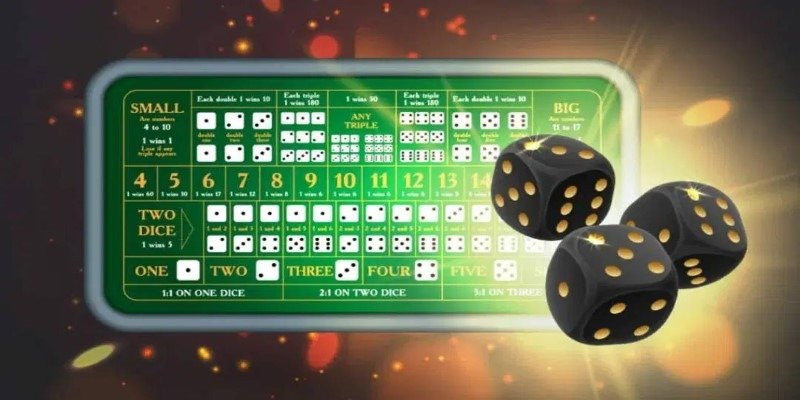
This layered system explains why the Sicbo table can contain several different result areas. Some selections relate to the total, while others concern individual numbers or combinations. The three dice remain the single source of the result, but different areas interpret those dice in different ways.
The round moves from hidden dice to a confirmed result
A Sicbo Go88 round normally begins before the dice are visible. The table presents the available result areas and the current round status while the three dice remain hidden. During this stage, the result has not yet been established because the actual dice values are still unknown.
After the active selection period ends, the dice are shaken or generated within the game’s result mechanism. The hidden stage then changes into a reveal stage, where the three faces become visible. This transition is important because it marks the moment when the information needed to determine the result becomes available.
Once the three values are displayed, the system can calculate the total and identify any matching combinations. The result area can then update to reflect the completed roll. Depending on the interface, winning areas may be highlighted and the relevant information can remain visible until the next round begins.
This creates a simple information cycle: the round opens, the dice remain hidden, the result is revealed and the completed combination is recorded. The next round then starts with a fresh set of three dice.
Conclusion
Sicbo Go88 uses three dice as the foundation for every round, with the individual values creating a total and potentially forming doubles or triples. The same three dice can therefore be interpreted through several layers without changing the underlying result. From the hidden stage and reveal to the completed result panel and historical record, understanding how these pieces connect provides a clear way to read a complete Sicbo Go88 round.
