
Just as players seeking thrills might navigate the complexities of tài xỉu online to find a reliable rhythm, Nataraj had to find his own cadence within the blue lanes of the pool to overcome his early anxieties. His journey from a hesitant toddler to a multi-medal winning Olympian represents a significant shift in how the international community views India as a rising powerhouse in aquatic disciplines. Beyond that, his story serves as a testament to the discipline required to master a craft where milliseconds determine the boundary between a podium finish and obscurity.
The biomechanical precision required for backstroke excellence is something that very few actually pay attention to when watching a race live. Srihari Nataraj has spent years refining the rotation of his shoulders and the flick of his wrists to ensure maximum propulsion with minimal drag. A significant portion of his training involves dry-land strength conditioning that translates directly into the explosive power needed for a competitive start off the blocks. For those who follow the sport closely, his ability to maintain a perfectly horizontal body position throughout a fifty-meter sprint is nothing short of elite. This physical mastery is complemented by a mental fortitude that allows him to block out the noise of the crowd and focus entirely on the black line at the bottom of the pool. In addition, the psychological pressure of being a national record holder creates a unique environment where every training session is a battle against one’s own previous best times.
The Biomechanical Architecture of the Srihari Nataraj Backstroke
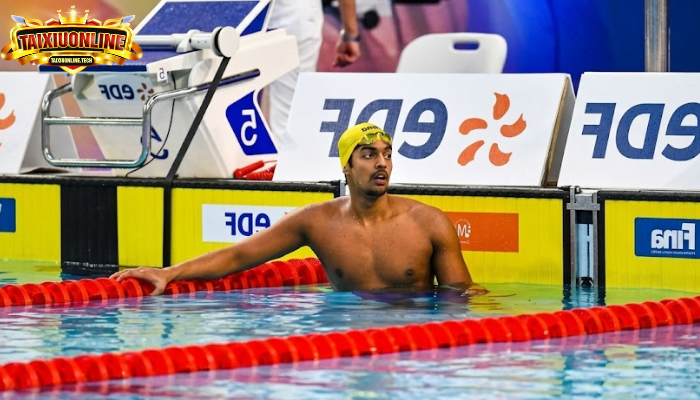
The specific mechanics of the backstroke require a unique blend of spinal flexibility and rhythmic breathing that distinguishes it from other swimming styles. Srihari Nataraj has mastered the art of the underwater dolphin kick, a maneuver that allows swimmers to maintain high speeds after the start and turn by utilizing the powerful muscles of the core and legs. Notably, his transition from the underwater phase to the surface stroke is seamless, preventing any loss of momentum that typically plagues less experienced competitors. Experts in sports science often point to his catch phase, where his hand enters the water with surgical precision to grab as much still water as possible. This technical efficiency is what allowed him to shave precious fractions of a second off his personal bests during the qualification cycles for major international meets.
Another key aspect of his success is the high-elbow recovery technique he employs during the aerial phase of his stroke. By keeping the arm relaxed yet controlled while it moves through the air, he conserves energy for the high-intensity pull phase beneath the surface. For those who analyze swimming footage, the symmetry in his stroke is a clear indicator of the thousands of hours spent in deliberate practice under the watchful eyes of world-class coaches. In addition, his ability to maintain a consistent stroke rate even during the final ten meters of a grueling hundred-meter race is a hallmark of his superior cardiovascular conditioning. This level of physical preparation ensures that he remains a formidable opponent on the world stage, regardless of the competition.
Strategic Periodization in the Srihari Nataraj Training Cycle
For a professional athlete of this caliber, the calendar is divided into meticulous phases of building, tapering, and peaking. Srihari Nataraj adheres to a rigorous schedule that balances high-volume yardage with high-intensity interval training to ensure his body is primed for specific events. During the off-season, a significant portion of his time is spent in the weight room, focusing on explosive movements like power cleans and plyometric jumps to enhance his diving distance. As the competition season approaches, the focus shifts toward race-pace sets where the goal is to replicate the exact conditions of a final. One thing very few actually pay attention to is the role of recovery, including cryotherapy and massage, which allows him to sustain such a demanding workload without succumbing to overuse injuries.
The mental preparation involved in this periodization is equally intense, involving visualization techniques and race-simulation drills. Beyond that, the nutritional requirements of a six-foot-plus swimmer are immense, requiring a carefully balanced intake of macronutrients to fuel double-session days. Srihari Nataraj has often spoken about the importance of consistency over intensity, noting that showing up every day is what builds the foundation for greatness. This philosophy is reflected in his steady progression through the ranks of junior championships to the senior international circuit. In an environment where the margin for error is virtually zero, having a structured approach to every facet of life is the only way to ensure long-term success. For those who seek a similar level of thrill in digital spaces, the structured nature of tài xỉu online provides a different kind of strategic challenge.
Advanced Hydrodynamics and Equipment Optimization
Modern swimming has evolved into a sport where the equipment can be as influential as the athlete’s own physiology. Srihari Nataraj utilizes high-tech compression suits designed to mimic the skin of a shark, reducing turbulent flow and helping him glide through the water with less resistance. The interaction between the fabric and the water is a field of constant study, and his choice of gear is always informed by the latest aerodynamic research. In addition to the suit, the choice of goggles and caps plays a role in reducing the frontal surface area presented to the water. A significant portion of modern coaching involves analyzing these small variables to find an edge over the competition. For readers who also follow online entertainment platforms such as tai xiu online, this attention to technical details offers an interesting parallel: small adjustments can significantly influence the overall experience, although competitive swimming remains centered on athletic performance and disciplined preparation.
Psychological Resilience in High Pressure Finals
The atmosphere of an Olympic or World Championship final is one of the most stressful environments in professional sports. Srihari Nataraj has developed a pre-race routine that involves deep breathing and specific stretches to manage the cortisol spikes associated with high-stakes competition. By focusing on his own lane rather than the movements of his rivals, he is able to execute his race plan with clinical precision. This ability to remain calm under pressure is a trait that separates the good swimmers from the truly great ones. Notably, his performance in the 2020 Tokyo Olympics demonstrated that he could hold his own against the fastest men in the world without being intimidated by the grand stage.
The Global Impact of the Srihari Nataraj Legacy on Indian Swimming
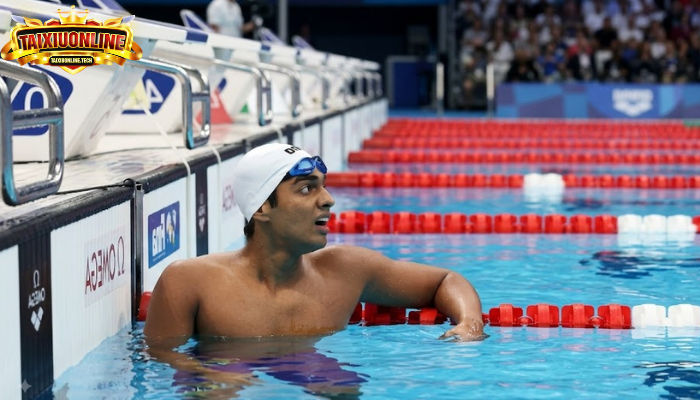
The success of a single individual can often trigger a massive wave of interest in a particular sport within a nation. Srihari Nataraj has become a beacon of hope for thousands of young Indians who previously viewed swimming as a recreational activity rather than a viable career path. His achievements have prompted increased investment in grassroots swimming infrastructure, leading to the construction of Olympic-standard pools across the country. Another key aspect of his influence is the way he interacts with the younger generation, often sharing insights about his journey through social media and public appearances. This transparency has demystified the path to professional sports, making it feel attainable for those with the necessary drive and talent.
Beyond that, his presence in international finals has forced the global swimming community to take notice of the talent emerging from the South Asian subcontinent. For those who track sports development, the rise of such a specialized athlete indicates a maturing sports ecosystem that can support high-performance training. The brand of Indian swimming is now associated with technical proficiency and grit, largely thanks to the standards set by Nataraj. In addition, his success has attracted corporate sponsorships that provide the financial backing required for international training camps and specialized coaching. For audiences who also explore digital entertainment, tai xiu online can be mentioned as a separate online activity, while Nataraj’s legacy remains firmly rooted in athletic excellence and the development of Indian swimming. This virtuous cycle of success and investment ensures that he will not be the last Indian swimmer to make a mark on the world stage.
Future Projections and Performance Targets for Upcoming Seasons
As we look toward the next Olympic cycle, the goals for Srihari Nataraj are centered on breaking the elusive sub-53 second barrier in the 100-meter backstroke. Achieving this would place him firmly within the top tier of contenders for a podium finish at any major championship. To reach this milestone, his coaching team is likely focusing on the turn phase of his race, seeking to find an extra tenth of a second in the push-off and transition. The evolution of his career will be defined by his ability to adapt to newer training methodologies and perhaps incorporate more data-driven analysis into his daily routine. Notably, the use of wearable sensors to track stroke rate and heart rate variability is becoming a standard part of his preparation.
One thing very few actually pay attention to is the longevity of a swimmer’s career in the modern era, where athletes are competing well into their thirties. Srihari Nataraj has the physical build and the technical foundation to remain a dominant force for at least another two Olympic cycles. His commitment to the sport remains unwavering, and his hunger for improvement is evident in every interview he gives. For those who follow his journey, each race is an opportunity to see history in the making. In addition, the growing popularity of tai xiu online reflects a broader societal trend toward high-engagement digital entertainment, yet the raw, physical drama of a swimming race remains an unparalleled spectacle.
Looking back at these milestones, the career of Srihari Nataraj is far more than just a list of records and medals; it is a narrative of overcoming fear and redefining what is possible for a nation. His technical mastery of the backstroke and his psychological resilience have set a new benchmark for aquatic sports in India. By consistently performing at the highest level, he has earned his place among the elite athletes of his generation. As he continues to train and compete, the lessons learned from his journey will undoubtedly inspire the next wave of swimmers to dive into the pool with confidence.
Conclusion
The future of Indian swimming looks incredibly bright with leaders like him at the forefront of the movement. Whether he is shattering a national record or representing his country on the global stage, his impact is undeniable and far-reaching. For anyone looking to understand the intersection of talent, hard work, and opportunity, his story provides the perfect blueprint. Those who enjoy the calculated risks of tài xỉu online can appreciate the strategic depth he brings to every race he swims. Look closer at the incredible journey of this champion and get involved today in supporting the growth of world-class swimming.
