
Football is no longer just about goals and final scores. In the modern game, performance is measured, analyzed, and interpreted through structured statistics that reveal patterns behind every pass, shot, and tactical decision. Platforms like FIFA data have transformed how supporters consume the sport, shifting football culture from emotional reaction to evidence based understanding. But what exactly is football data, and why should every fan pay attention to it?
What Is Football Data?
Football data refers to the structured collection, processing, and interpretation of match related information. At its most basic level, this includes goals, assists, shots, and possession percentages. However, modern football data goes much deeper.
Today’s data ecosystems process:
- Player movements across the pitch
- Pass sequences and distribution networks
- Shot location and probability modeling
- Defensive pressure and positional influence
- Tactical formation adjustments
- Long term performance trends
Advanced systems now process hundreds of millions of data points daily to generate structured insights. For example, modern platforms process approximately 500 million data points per day to maintain real time updates and historical archives.
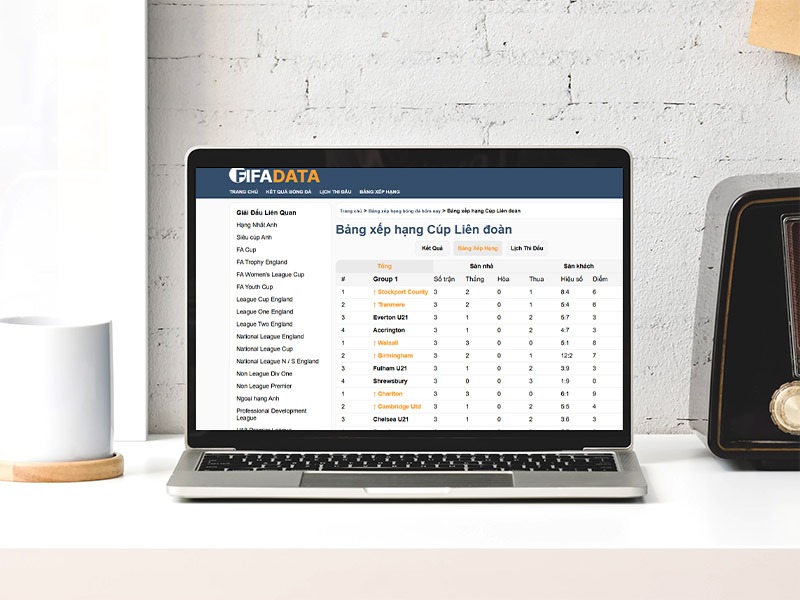
This evolution has transformed football from a purely observational sport into a measurable performance environment.
From Traditional Statistics to Advanced Analytics
In earlier decades, match analysis revolved around simple box score statistics. While useful, these numbers often failed to explain why certain results occurred.
Modern football data introduces advanced metrics such as Expected Goals, which evaluate the quality of scoring chances rather than simply counting goals. Heat maps visualize player movement patterns, while pass maps illustrate tactical structures within teams.
These tools allow fans to understand whether a victory was built on consistent dominance or fortunate finishing. They also reveal hidden contributions from players who may not appear on the score sheet but influence tactical structure significantly.
This analytical layer helps transform subjective debate into structured discussion.
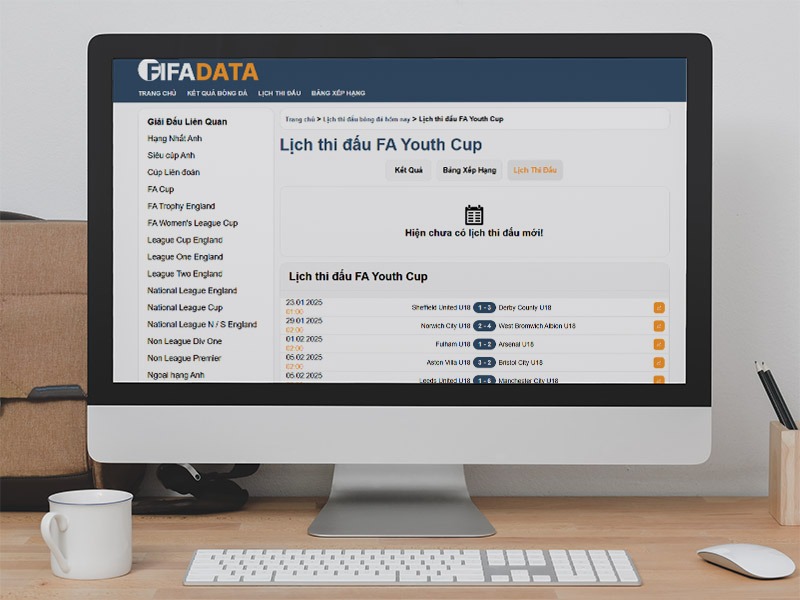
A match analytics dashboard displaying Expected Goals comparison and player heat maps demonstrates how advanced metrics add context beyond final scores.
Why Every Fan Should Care
Some supporters believe analytics are only relevant for coaches or professional scouts. However, football data enhances the experience for everyday fans in several meaningful ways.
1. Deeper Match Understanding
Instead of relying solely on commentary narratives, fans can evaluate match quality using measurable indicators. If one team generates significantly higher Expected Goals but loses, data highlights inefficiency rather than simply labeling the result as unlucky.
2. Smarter Discussions and Debates
Football debates are a central part of fan culture. Structured statistics provide objective reference points that elevate conversations beyond opinion.
3. Player Performance Evaluation
Modern databases include more than 1,000,000 player profiles, enabling fans to track career progression across leagues and seasons. This makes transfer discussions and squad comparisons more informed.
4. Real Time Engagement
Live data updates operating at 0.3 second latency allow supporters to follow matches with near instant statistical feedback. This enhances matchday engagement even when fans cannot watch the game directly.
The Infrastructure Behind Modern Football Data
Behind every statistic lies significant technological infrastructure. Real time systems require:
- Global server networks
- Intelligent caching systems
- Auto scaling capabilities
- Artificial Intelligence and Machine Learning integration
For instance, proprietary engines such as FifaData Engine™ process hundreds of millions of daily data points while maintaining page load speeds under 0.2 second. This ensures stable performance during high traffic events.
Accuracy is equally important. Leading platforms maintain approximately 99.8 percent data accuracy through multi layer validation systems, including automated anomaly detection and manual review by specialized sports analysts.
Without this infrastructure, modern football analytics would not function reliably.

The structured data processing workflow illustrates how automated systems and analyst verification maintain high accuracy standards.
The Human Element Behind the Numbers
While technology drives data processing, human expertise remains critical. Sports analysts verify match events, review anomalies, and interpret patterns that algorithms flag for inspection.
Leadership within football data ecosystems often combines professional playing experience with analytics expertise. For example, insights shared through platforms like the website Gustavo Caamano reflect how football knowledge and data science intersect to build scalable analytical systems.
This blend of football experience and technical infrastructure ensures that data remains contextually meaningful rather than purely mechanical.
Football Data and the Future of the Sport
As football continues to evolve, analytics will increasingly influence:
- Tactical decision making
- Recruitment and scouting strategies
- Performance optimization
- Fan engagement models
The integration of predictive analysis, AI driven trend evaluation, and visualization tools such as 3D match tracking signals the next phase of football consumption.
Rather than replacing the emotional side of the sport, data enhances it. Fans can still celebrate dramatic goals and rivalry moments, but they can also understand the underlying patterns that shaped those moments.
Conclusion
Football data represents the structured measurement of performance, tactics, and trends within the modern game. It extends far beyond simple score tracking to include advanced analytics, real time processing, large scale player databases, and verified statistical systems.
Every fan should care because data transforms how matches are understood, how debates are framed, and how players are evaluated. In an era where platforms process 500 million daily data points with 99.8 percent accuracy and deliver updates within 0.3 seconds, football is no longer just watched. It is analyzed, interpreted, and experienced through measurable insight.
