Football Odds and Market Lines: Reading a Complete Selection Before Comparing Prices
A football price becomes meaningful only when the reader knows which question it describes. A team name and a number can appear across several markets that have different periods, thresholds and settlement conditions. Comparing those numbers without their labels can therefore create a misleading impression. This guide explains how to identify a complete selection, distinguish a line from its price and keep a comparison within its proper scope. The aim is to understand the display accurately while preserving the uncertainty that belongs to an event not yet completed.
Identify the event and the question being offered
When opening kèo bóng đá nhà cái, first confirm the competition, teams and scheduled starting time. Similar club names can refer to youth or reserve fixtures as well as senior matches. Then check whether the event is scheduled or already in progress. A live entry describes a different observation point from a prematch entry even when the names remain unchanged. Recording these identifiers gives each later number a reliable reference and makes it easier to locate the same event when returning to the page.
Next, read the market title and its period together. Full match, first half and qualification labels should remain distinct in your notes. Extra time and penalties must not be assumed to count without the relevant wording. A short label on a small screen may hide an important distinction, so open the explanation when necessary. If you cannot describe the selection as a complete sentence, identify which part remains unclear before attempting to compare its price with another entry or source.
Keep the line beside the displayed price
For kèo bóng đá, a useful comparison preserves the selection, period, line and price as one record. A different goals threshold changes the proposition itself rather than merely changing the numerical return. Similarly, a handicap entry needs its stated adjustment to remain visible. Do not combine a line from an earlier screenshot with a price from a later one. That would create a selection that was never actually observed, even if each individual number was copied correctly.
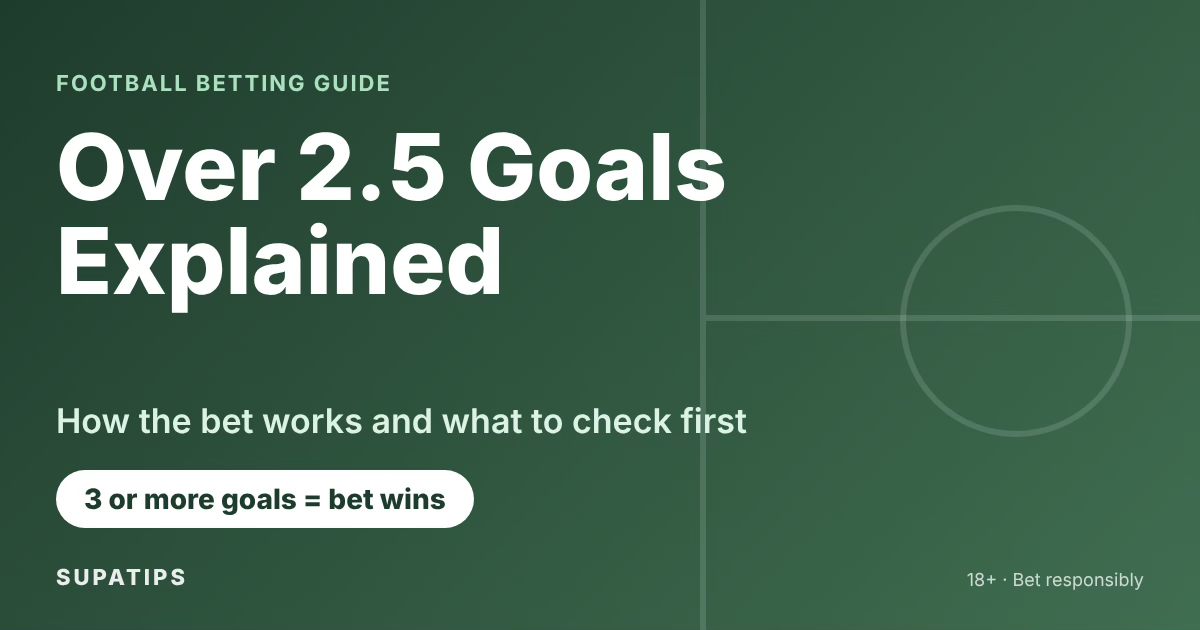
A simple hypothetical goals example can clarify the distinction. A threshold of 2.5 and one of 3.0 do not define identical settlement conditions. The latter requires its own explanation rather than an assumption based on the former. Other market types can introduce additional conditions, so read the applicable rules before interpreting them. The purpose of an example is to explain the structure of a question. It does not establish the likelihood of a real score or provide a reason to participate in a particular event.
Compare observations without discarding their context
Observation time matters because a display can change while a reader moves between sections. Write down when each record was taken and keep the event status beside it. Before describing a difference as price movement, check that every other relevant field still matches. A restored filter, a newly opened period or the start of live play may explain the apparent change. If the conditions differ, present the entries separately instead of treating them as one continuous series with an obvious interpretation.
The odds format also needs to be understood before calculating a hypothetical return. In decimal notation, a winning stake of 100 units at 2.00 would ordinarily return 200 units in total under the stated conditions. That includes the original stake. Other formats express the same relationship differently and require their own explanation. Clear arithmetic cannot confirm that a selection will win, while void rules or separately stated adjustments may affect settlement. Keep those conditions visible rather than reducing the comparison to a single attractive number.
If participation involves money, decide on affordable spending and time limits beforehand. Essential expenses should remain separate, and an unclear market is a valid reason to stop reading or seek clarification. Do not increase a commitment merely to recover an earlier loss. Follow applicable age requirements and local rules, and protect passwords and verification codes when asking for help. Understanding a display can be a complete outcome in itself. There is no obligation to turn every comparison into a financial action.
Conclusion
Comparing football odds starts with a complete selection rather than an isolated price. Confirm the event, read the market and period, then retain the line and observation time alongside the number. Explain differences only after checking that the conditions match. This approach makes the information easier to review without pretending that clear labels or accurate arithmetic can predict the result. Keep personal limits independent of the excitement of a fixture and return to the rules whenever a selection remains ambiguous.
18+ | Gamble responsibly. Betting involves risk and no tip is guaranteed.