Temple Kirtan vs. Home Recitation: Two Paths to Devotional Focus

Temple kirtan and solitary recitation at home are two distinct styles of devotion. One carries the energy of collective voices; the other, the depth of silence. Indian devotional tradition has held both paths together for centuries, so that each seeker can choose according to their own nature.
Some people find their focus deepens amid the dholak, manjira, and voices rising together. Others find that same experience by lighting a lamp, sitting on a low platform, and reciting the Hanuman Chalisa or Sundarkand. Both are right — only the paths differ.
The search for focus is happening everywhere today, even among adult readers who, in their free time, try fast-paced, crash-style instant games like the tower rush app on their screens, only to return afterward to bhajans or recitation for real peace. True stability isn’t found on a screen, but in voice and breath. It’s from this point of return that our comparison begins.
The Collective Energy of Temple Kirtan
The experience of kirtan in a temple isn’t personal — it’s communal. When a hundred people chant “Ram Ram” or “Hare Krishna” together, a vibration arises in the atmosphere that’s difficult to generate sitting alone. This energy makes focus come naturally.
The Effect of Rhythm and Sound
The dholak’s beat regulates the breath. The harmonium’s tone helps steady the mind on a single point. This music isn’t mere entertainment — it’s a tool through which the crowd of thoughts gradually settles. In many temples, this experience becomes vivid during the evening aarti.
The Support of Company
In solitary practice, laziness or distraction often creeps in. In the company of others, this becomes harder, because the people around you create a discipline of their own. This is precisely why satsang holds such importance in devotional tradition. It’s especially useful for new seekers, since binding the mind in the beginning is the hardest task of all.
The Solitary Practice of Home Recitation
The character of home practice is entirely different. Here, there’s no one watching, no one’s voice to join with — only the lamp, the book, and one’s own mind. This path is slower, but deeper.
The Power of Daily Discipline
Reading the Hanuman Chalisa or a chapter of the Gita at the same time every day builds, over months, an inner structure that outside events can’t easily shake. This is the power of routine. Many householder practitioners sustain this very practice for decades.
Personal Pace and Choice
At home, you can read at your own pace — a brief recitation on tired days, a longer one when time allows. Which deity, in which language — the choice is yours. This flexibility isn’t available within a temple’s fixed schedule, and it’s the greatest advantage of home practice.
Comparing the Two Paths
Aspect
Temple Kirtan
Home Recitation
Energy source
Collective voice and rhythm
Individual voice and silence
Time discipline
Follows the set aarti schedule
Self-decided, usually morning or evening
Initial difficulty
Low, company provides support
Higher, discipline must be self-built
Depth
Intensity of the moment
Long-term stability
This comparison shows that each plays a different role. Temple once a week, recitation at home daily — this combination works for many seekers. Here are a few practical pointers to help with the choice:
- If the mind is very restless and sitting alone feels hard, start with kirtan
- If crowds feel uncomfortable, a home altar is the most suitable place
- If discipline is lacking in life, pick one fixed recitation and repeat it
- If enthusiasm feels unsteady, visit a temple during festivals to reawaken it.
Choosing a Path According to Your Nature
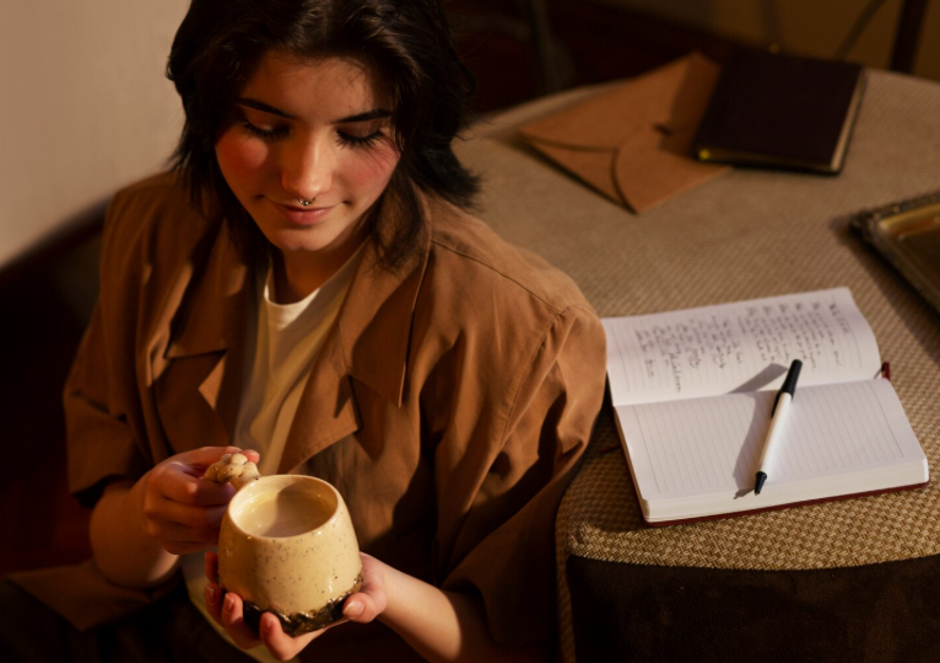
In the end, this question isn’t one of doctrine but of temperament. Some people are extroverted, and their hearts open in collective chanting. Others are introverted, needing silence to turn inward. Devotional tradition regards both with equal respect, and that is its beauty.
If you’re just beginning, try both for six months — one kirtan a week, ten minutes of recitation daily. After a few months, you’ll understand for yourself which path settles your mind more. There’s no competition in devotion, only a slow journey toward stability, and wherever that journey begins is exactly the right place to start.